Why Manual Meeting Notes Are Costing Your Hotel More Than Time (And What AI Meeting Notes Actually Fix)
Right now, somewhere in a UK hotel, a duty manager is sitting in the morning briefing with a notepad, half listening and half scribbling, hoping to catch the important bits before the next point lands. They won't catch all of it. By Friday, three action points will have been missed, two follow-ups won't happen, and one decision will get disputed in next week's meeting because nobody wrote it down the same way twice.
This isn't a focus problem. It's a systems problem, and it's the gap AI meeting notes tools are increasingly built to close.
The Real Cost of Manual Meeting Notes in Hospitality
The cost isn't the notes themselves. It's what happens after: the follow-up that never gets sent, the room block confirmed at the wrong rate because nobody chased it, the supplier who delivers the wrong setup because the brief lived in someone's memory instead of on paper.
Hospitality runs on handovers: briefings, supplier calls, team catch-ups, event planning meetings. Most of them produce the same output, a half-finished page of notes, a WhatsApp message summarising what someone thinks was agreed, or nothing at all. Manual note-taking in a fast-moving operational environment isn't a process. It's a liability wearing a process's clothes.
Why It Keeps Happening
Manual meeting notes fail because the same person is expected to run the meeting, contribute to the discussion and document it accurately, all at the same time. That's three jobs happening at once, and something always gives.
Even when the notes do get written up properly, they reflect whoever wrote them, not what was actually said. Context gets lost. Action points go vague. Nobody's quite sure who owns what by the time everyone's back at their stations.
The root cause isn't laziness. It's that teams have been handed a task, capture the meeting accurately, without a tool that makes doing it well actually possible.
Notes Aren't the Point. Action Is.
Most people think meeting notes are about recording what was said. They're not. They're about capturing what happens next, who owns it and by when.
That distinction changes what "good" looks like. A three-page transcript isn't a good outcome. A decision log with three owners and three deadlines is. AI can produce the second one reliably, and it does it better than a tired ops manager with a biro and twelve other things on their mind.
There's a version of this that makes people twitchy: if a tool captures meeting output automatically, what happens to whoever's job included writing it up afterwards? Honestly, that task disappears. It was never a good use of anyone's time to begin with, and the hours it frees up are better spent on the guest in front of them, not typing up the gist of what was already said an hour ago. This isn't about replacing anyone. It's about giving the time back to something that mattered more.
How AI Meeting Notes Solve This in Practice
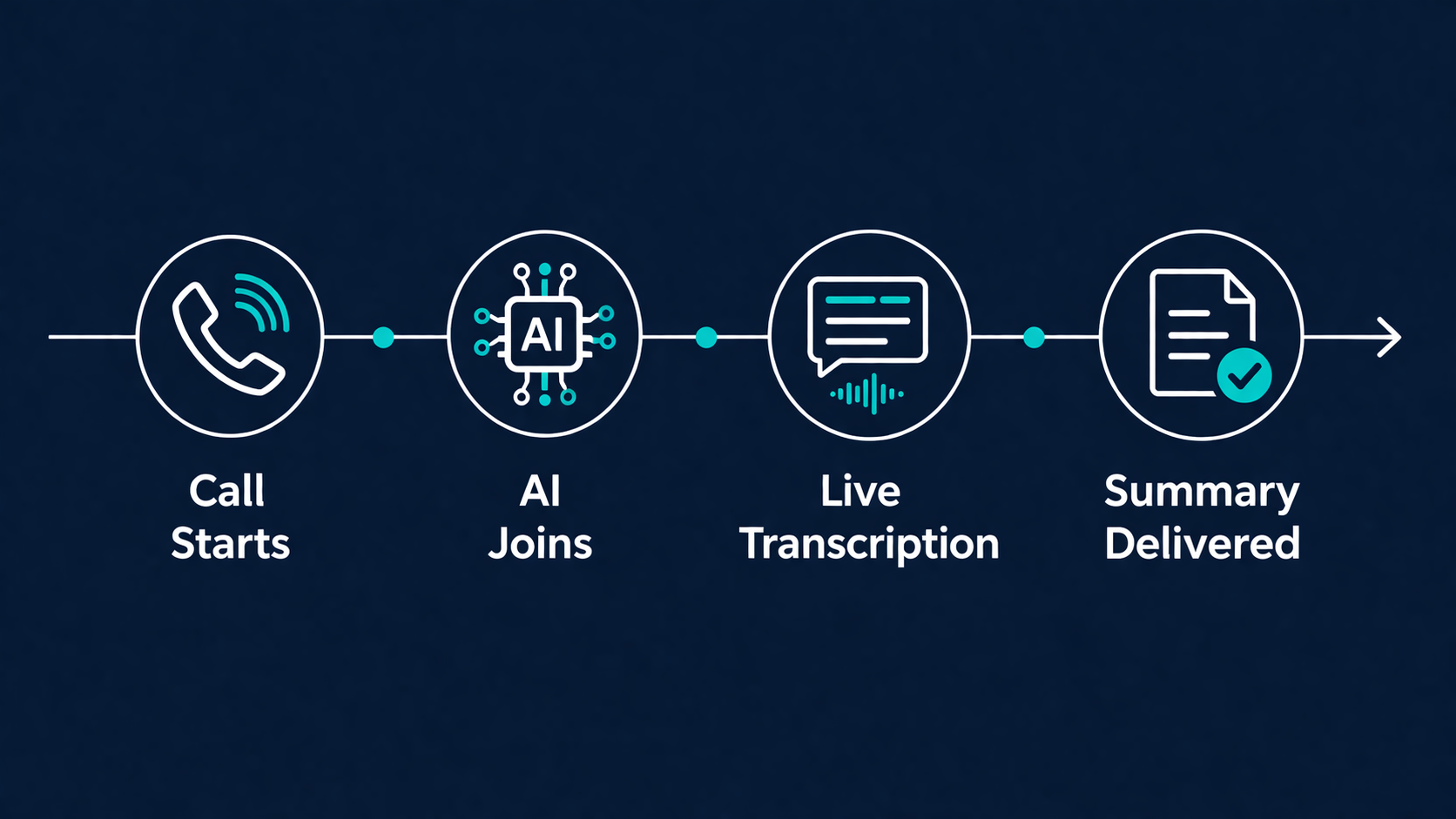
Fireflies AI is a meeting intelligence tool that joins your calls on Teams, Zoom or Google Meet and, without anyone doing anything differently, it:
Records and transcribes the meeting in real time
Generates a structured summary once the call ends
Pulls out action items, decisions and key topics
Makes the transcript searchable, so specific moments can be found later
Integrates with tools hospitality teams already use, including Slack, Notion, HubSpot and most CRM platforms
Setup takes minutes. It sits quietly in the background and has the output ready before anyone's left the room, and it's free to start, so there's no cost involved in finding out whether it actually helps.
No chasing. No rewriting. No "I thought you were taking notes."
What This Looks Like in Hospitality Operations
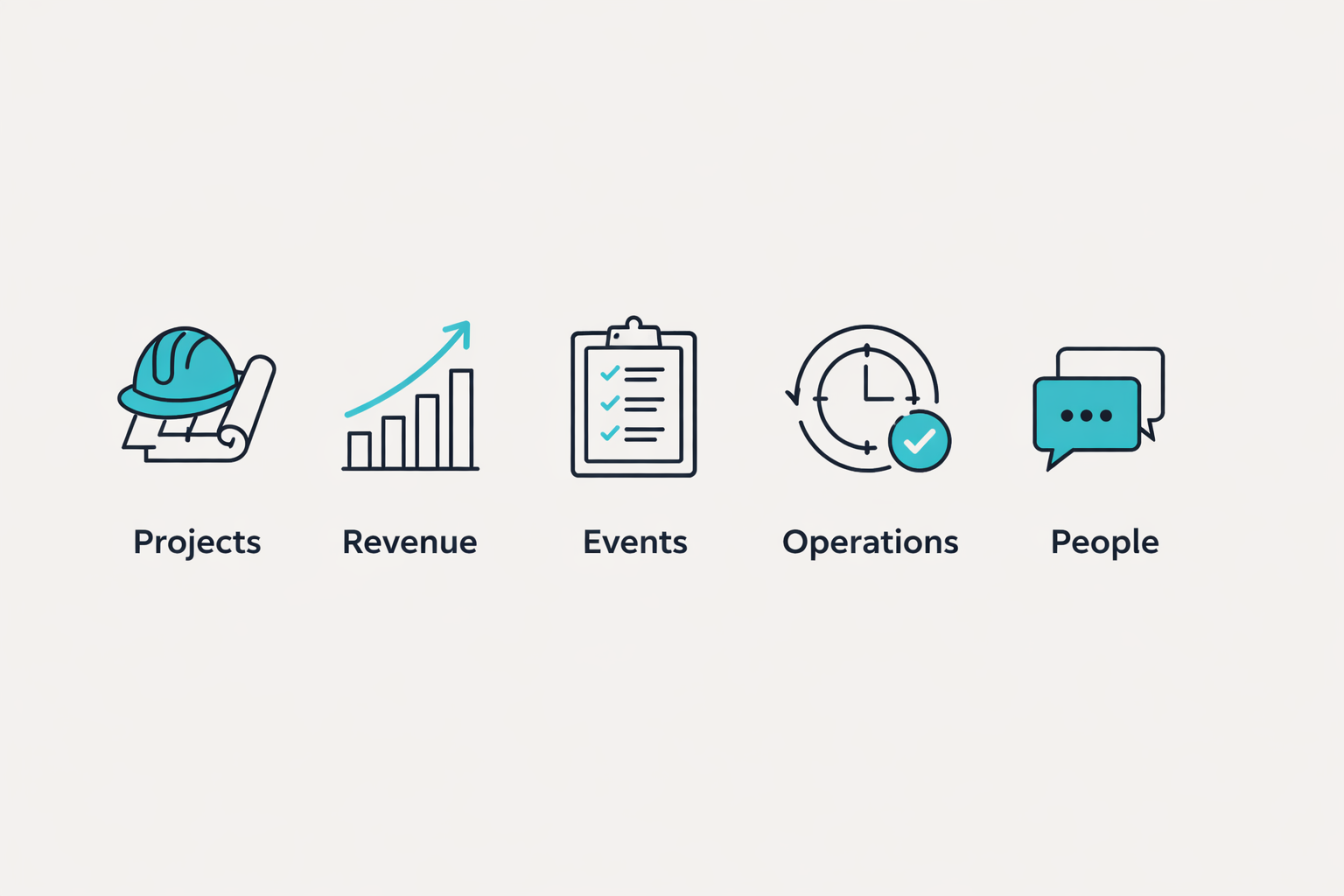
Pre-opening and refurbishment projects. Every supplier call and design review produces a searchable, timestamped record. Nobody remembers who said "matte black" and who heard "gunmetal." The transcript does.
Revenue and sales meetings. Account managers stop having to choose between negotiating the rate and writing it down. The account manager stopped choosing between closing the deal and getting it right on paper.
Event planning and client briefs. Dietary requirements, room layout preferences and AV specs get captured in the room, not half-remembered six weeks later. Six weeks on, nobody has to remember the dietary brief. It's in the transcript.
Ops and morning briefings. Action points get assigned automatically, no interpretation required. Nobody needs a follow-up meeting to clarify the follow-up meeting.
HR and recruitment. Interview notes come out structured and consistent, without the interviewer losing eye contact to write something down. The interviewer stopped looking down to take notes. Candidates noticed.
Key Takeaways
Manual meeting notes fail because one person is expected to run the meeting, contribute to it and document it accurately, all at once
The real output of a meeting is decisions and owned actions, not a transcript
AI meeting notes tools like Fireflies AI record, transcribe and summarise hospitality meetings automatically
Action items get assigned without anyone lifting a pen
These tools integrate with the platforms hospitality teams already use, including Teams, Slack and most CRM systems
Setup takes minutes and the time saved starts immediately
If This Sounds Like Your Tuesday Briefing
It's fixable, and it doesn't need a system overhaul to get there. I run an AI Readiness Assessment for hospitality operators that maps out exactly where tools like this save time and protect revenue in your business specifically, not in a case study.
If you're curious where the gaps are in yours, grab the 7 AI Prompts for Hospitality Teams to start chipping away at the admin now, or book a 15-minute intro call and I'll talk you through what's actually happening in your operation.