- Jun 1
8 Times AI Changed What It Meant to Work in Hospitality
- Francesca Wood
- 0 comments
REAL RESULTS. REAL HOTELS
By Francesca Wood, FAI Consultancy | AI Hospitality Specialist

There is a version of the AI in hospitality conversation that gets very tedious very quickly. Lots of talk about transformation, lots of buzzwords and very little that tells a general manager, a revenue manager, or a head of housekeeping what any of it actually means to their job role.
This is not that conversation.
What follows are eight real case studies from real hotel brands. Each one focuses not just on the technology and the headline result, but on what it changed for the people doing the work. Because that is where AI either earns its place or doesn't.
If you read this and recognise your own operation in any of these stories, that recognition is worth paying attention to.
CASE STUDY 01
The Night Auditor Gets the Night Back
InterContinental Hotels Group

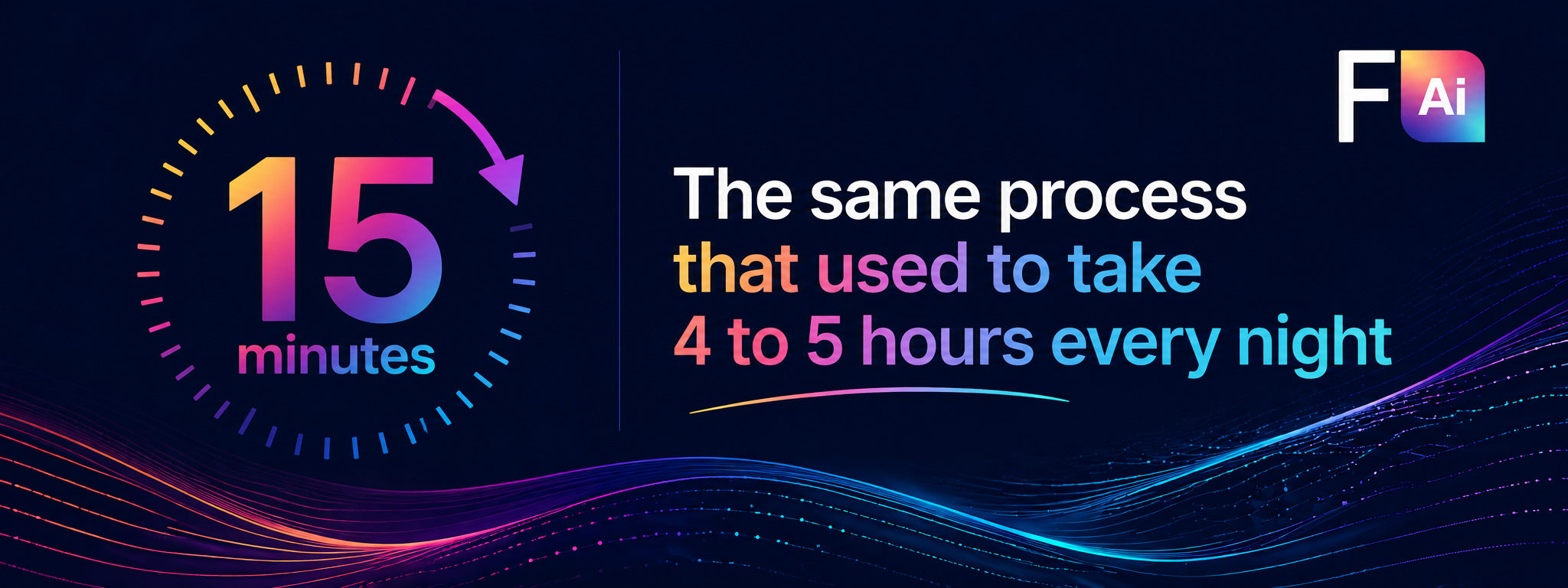
Somewhere right now, a night auditor is four hours into reconciling the day's transactions.
Credit card receipts. Room charges. Restaurant bills. Third-party commission statements. All cross-referenced by hand. All prone to a single misplaced decimal that won't surface until someone senior asks an awkward question three weeks later.
They'll finish around 3am. Go home. Come back and do it again tomorrow.
InterContinental Hotels Group decided enough was enough. They implemented Robotic Process Automation combined with AI optical character recognition across their night audit process. Every invoice, every receipt, every POS log now gets extracted, cross-referenced, and reconciled automatically. Discrepancies are flagged instantly. No human eyes required until something actually needs a decision.
The IHG night team now spends that time on guest security and late arrivals. The work that actually needs a human and that work matters at 2am.
Nobody went into hospitality to spend the small hours wrestling spreadsheets. AI won't replace the night auditor. It will give them their night back.
CASE STUDY 02
The Housekeeper Stops Working From Yesterday's List
The Venetian Resort Las Vegas
It's 4pm. Check-in opened an hour ago. Seventeen guests are waiting for their rooms. One has been there since noon. one is a VIP loyalty member who has already sent two emails, and another is a family running on no sleep and no patience after a delayed flight.
The housekeeping team is working through a list printed at 8am. Before the flight delays, before the VIP upgrade and before any of it changed.
This is the room-not-ready problem. It's a problem that ruins more check-in experiences than almost anything else in hospitality, and it is almost entirely a systems problem rather than a performance one.
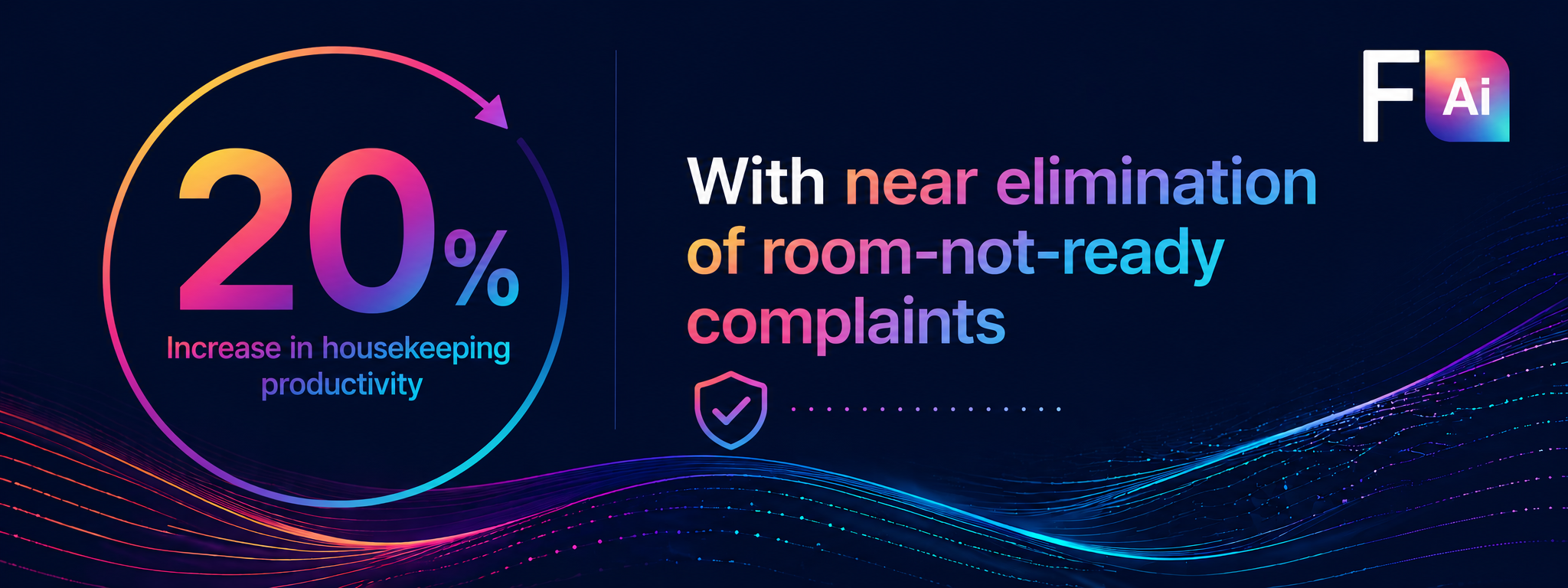
The Venetian Resort Las Vegas, managing over 4,000 suites, fixed it by integrating an AI-driven housekeeping optimisation platform directly with their Property Management System. The system tracks live guest checkout data, flight delays, and loyalty tier status in real time, pushing dynamic schedule updates to room attendants' mobile devices throughout the day.
A VIP arriving early? Their room moves to the top of the list automatically. Late checkout confirmed? The schedule adjusts instantly. No phone calls. No walkie-talkie chaos and no front desk manager doing mental gymnastics at peak check-in.
The housekeeper's job didn't disappear. It just stopped being impossible.
CASE STUDY 03
The Sales Manager Stops Losing to Whoever Replied First
Omni Hotels and Resorts
Hotel sales managers are drowning in RFPs. Requests for proposals land constantly.
Corporate events, conferences. and weddings. Each one requires a detailed, personalised response to have any chance of converting. All of them feel urgent, but most of them are not worth the hours they consume.
The result is predictable.
Sales managers spending their week buried in low-value enquiries while high-value group bookings quietly sign with whoever responded first. Which was not them.
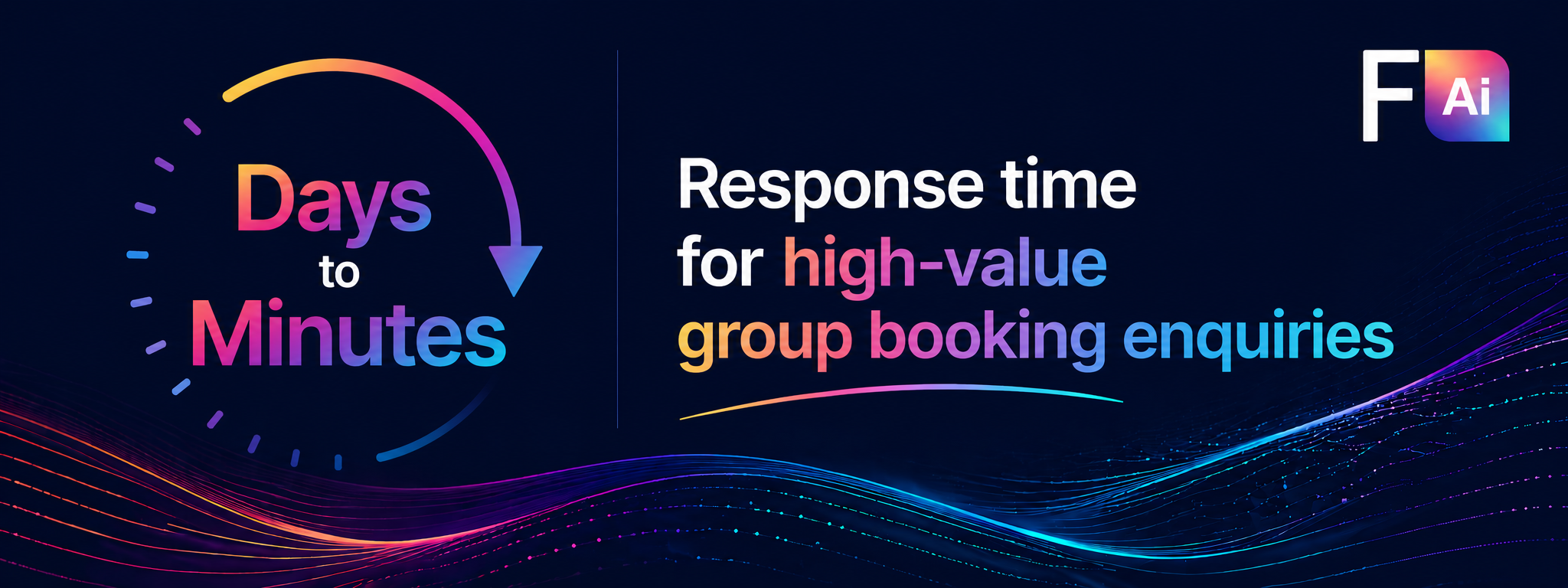
Omni Hotels deployed an AI-driven sales assistant integrated with Delphi, a specialist hospitality sales platform. The result? An RFP lands, the AI reads it, checks room and banquet availability, scores the lead based on historical profitability and cancellation likelihood, and automatically drafts a tailored proposal for the sales manager to review and send.
The sales manager still closes the deal, still builds the relationship and still earns the commission. They just stopped spending half their week on the admin that was standing between them and all of that.
The bonus didn't get automated. The path to it just got a lot clearer.
CASE STUDY 04
The F&B Manager Stops Guessing at the Buffet
Iberostar Hotels and Resorts
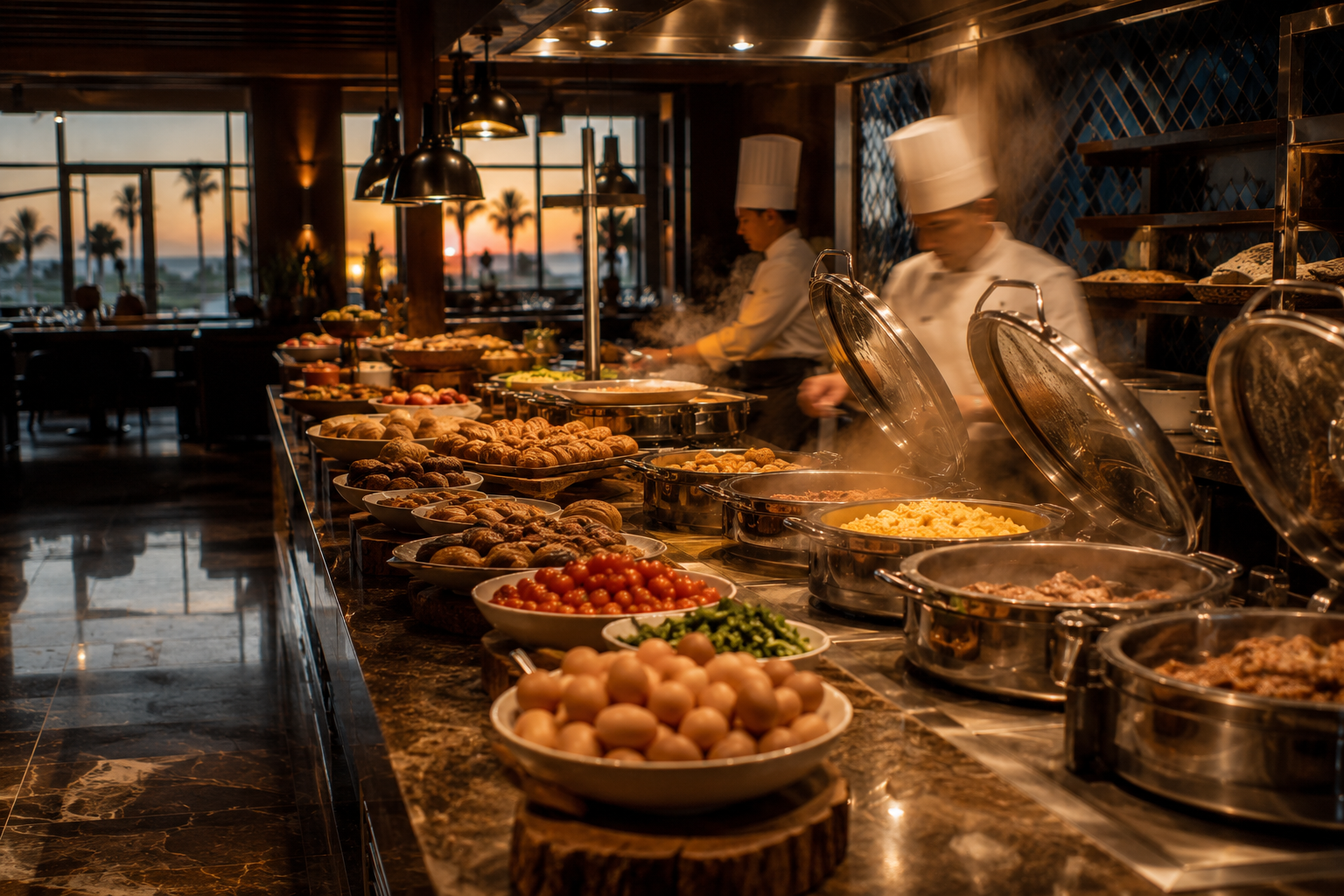
Running an all-inclusive buffet is a daily gamble. Over-prepare and you are throwing food, money, and your sustainability credentials straight in the bin. Under-prepare and a hundred guests discover the scrambled eggs ran out at 9:15am, and nobody is forgiving about it.
Most F&B managers are making these calls on instinct and whatever the head chef feels confident about based on last Tuesday.
Iberostar Hotels and Resorts decided to take the guesswork out of it.
They deployed Winnow, an AI-powered smart waste system, across their commercial kitchens. Every time chefs scrape waste from the kitchen or buffet, it goes into a bin fitted with a motion-activated camera and a scale. The AI image recognition system identifies exactly what is being thrown away, how much, and at what time. 3.2kg of scrambled eggs at 10:15am. Consistently. Every single day.
Patterns emerge. Prep quantities adjust. The waste stops.
For the F&B manager, this means no more starting every morning guessing and no more ending every evening calculating what went in the bin and what it cost. The margin in hospitality lives in the details. Winnow makes those details impossible to ignore.
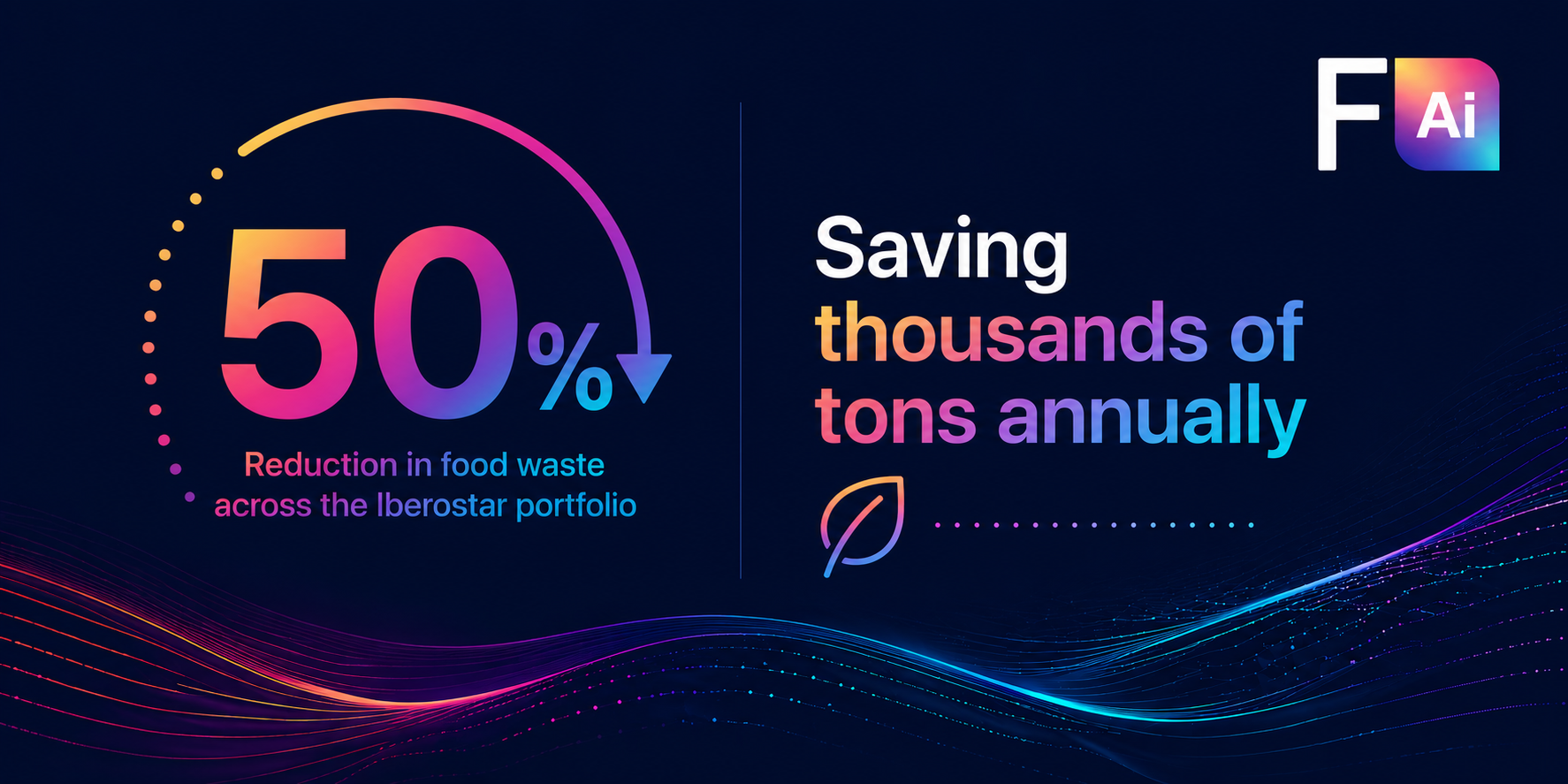
The best operators already know where the margin hides. AI just makes it visible.
CASE STUDY 05
The Front Desk Team Stops Answering Towel Requests
The Cosmopolitan of Las Vegas
Every missed service request is a small failure. Not a catastrophic one. Nobody checks out over a missing towel. But guests notice and they do remember. In a world where a three-star review can follow a property for years, these small failures add up.
The Cosmopolitan of Las Vegas was handling thousands of daily text-based requests. Towels. Restaurant recommendations. Room service. Late checkouts. Every one of them landing on a front desk team already stretched across everything else a five-star property demands.
They introduced Rose. An AI-powered SMS chatbot built specifically to reflect The Cosmopolitan's playful luxury brand voice. Witty, warm, and on brand. Integrated directly with the property management system so she could action requests instantly rather than simply log them for someone else to deal with later.
Guests loved her. Some preferred her to the humans, and Rose also handled upsells beautifully at exactly the right moment in the conversation.
The front desk team stopped fielding the repetitive requests that were eating their day. They started focusing on the interactions that actually need a human. The complicated ones, the emotional ones and most importantly the moments that define a stay and end up in a five-star review.
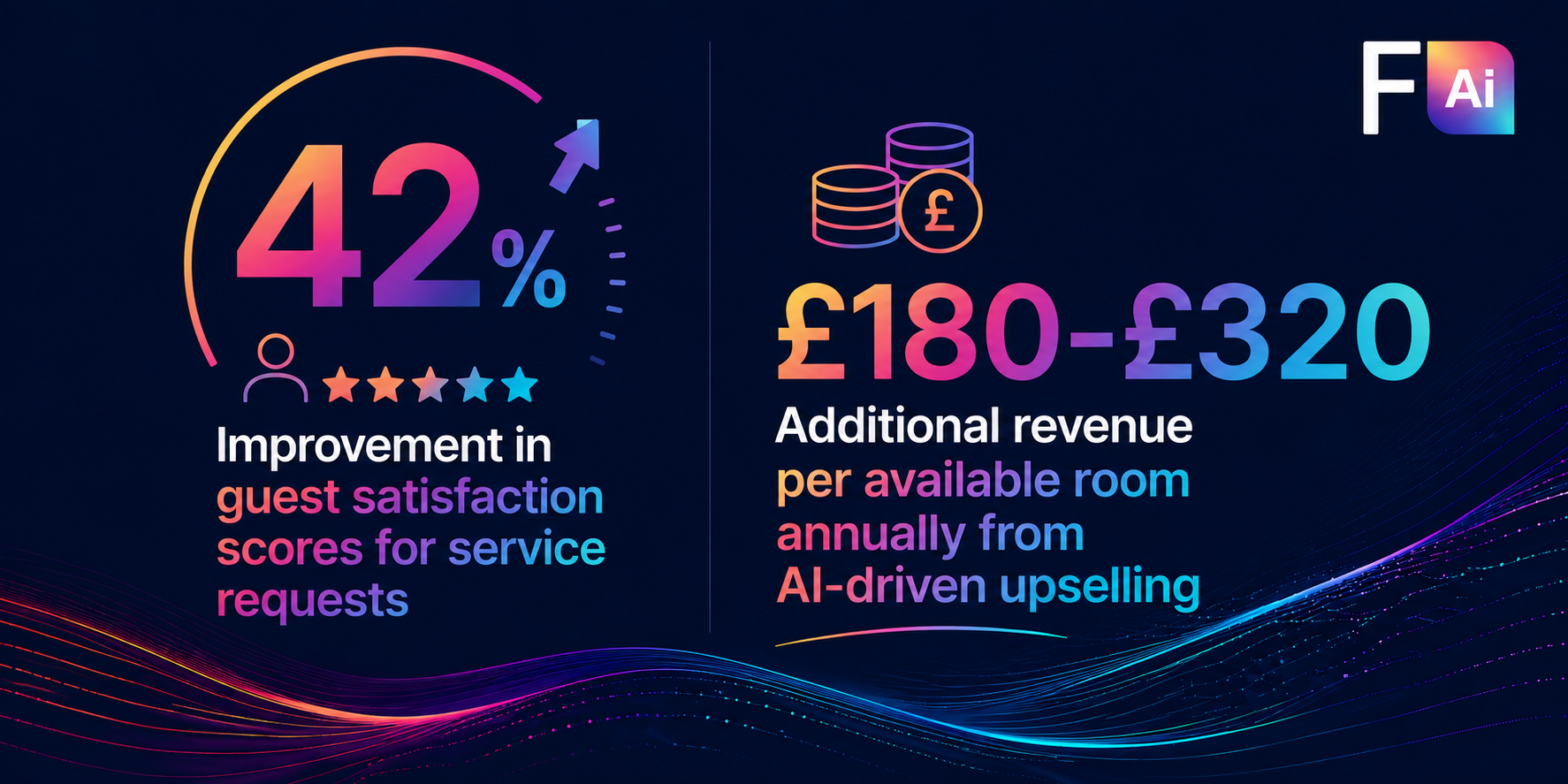
Nobody went into luxury hospitality to answer towel requests all day. Rose took that off the list.
CASE STUDY 06
The Revenue Manager Stops Presenting Last Week's Numbers
Hilton Hotels and Resorts
Revenue management used to mean a lot of spreadsheets, a lot of gut instinct, and a weekly meeting where someone presented numbers that were already out of date.
The gap between what a room could earn and what it actually earned lived somewhere in that process. In the delay. In the blunt segmentation. In the pricing decision that felt right on Monday but was wrong by Thursday.
Hilton partnered with Infor EzRMS to deploy predictive AI modelling across their revenue systems. The platform analyses Hilton Honors loyalty profiles and live booking behaviour to create hyper-granular customer segmentation. It automatically identifies which guests prioritise corporate weekend travel versus those who will always choose the rate that includes breakfast and prices accordingly in real time.
For the revenue manager, this means no more building segmentation models by hand, no more presenting last week's data as if it reflects today's market, and no more watching the compset adjust rates in real time while waiting for the system to catch up.
The variance between budget and actual started shrinking, and the monthly conversation with the GM got a lot easier.
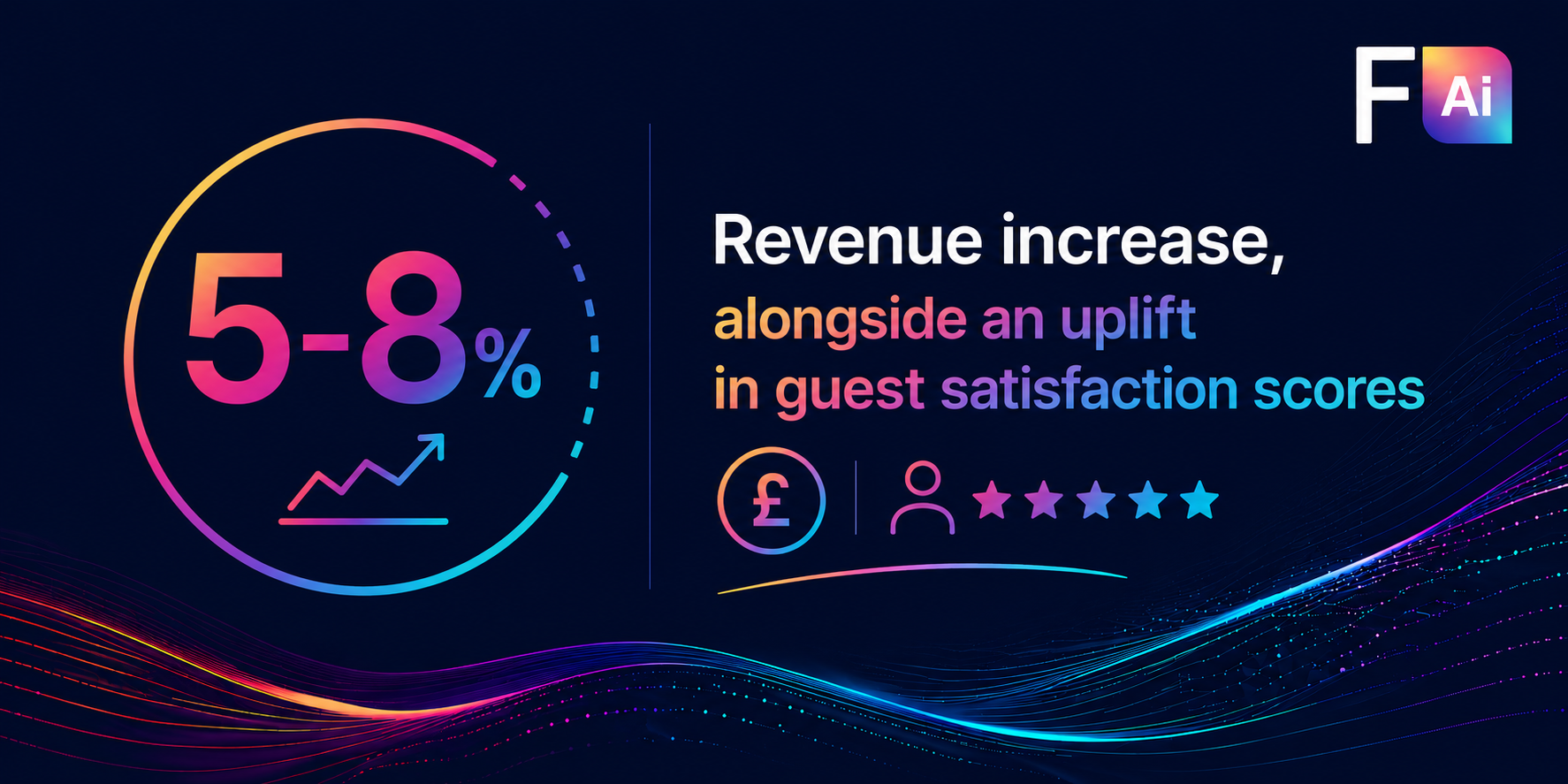
The revenue manager didn't lose their job to this. They gained the ability to make smarter decisions with data that is actually current.
CASE STUDY 07
The Marketing Manager Stops Defending Campaigns That Underdelivered
Melia Hotels International

Global marketing campaigns are expensive to get wrong. A visual that resonates with a luxury solo traveller in Madrid does nothing for a family booking a summer holiday in Tenerife. Just like a corporate ad served to a honeymooner is money wasted. Multiply that across dozens of markets and thousands of daily ad impressions, and the cost of generic creative adds up fast.
Melia Hotels International adopted an AI-driven marketing engine that analyses historical guest data and loyalty preferences to generate and test hundreds of personalised creative variations automatically. The imagery changes. The copy changes. The call to action changes. All based on whether the viewer is a luxury solo traveller, a family, or a corporate client.
Melia's marketing team did not shrink; they got sharper. The creative still needs a human eye, and the strategy still needs a human mind, but the machine just stopped wasting both on the parts that could be automated.
The marketing manager stopped defending spend on campaigns that underdelivered. They started presenting numbers that made the case for more budget.
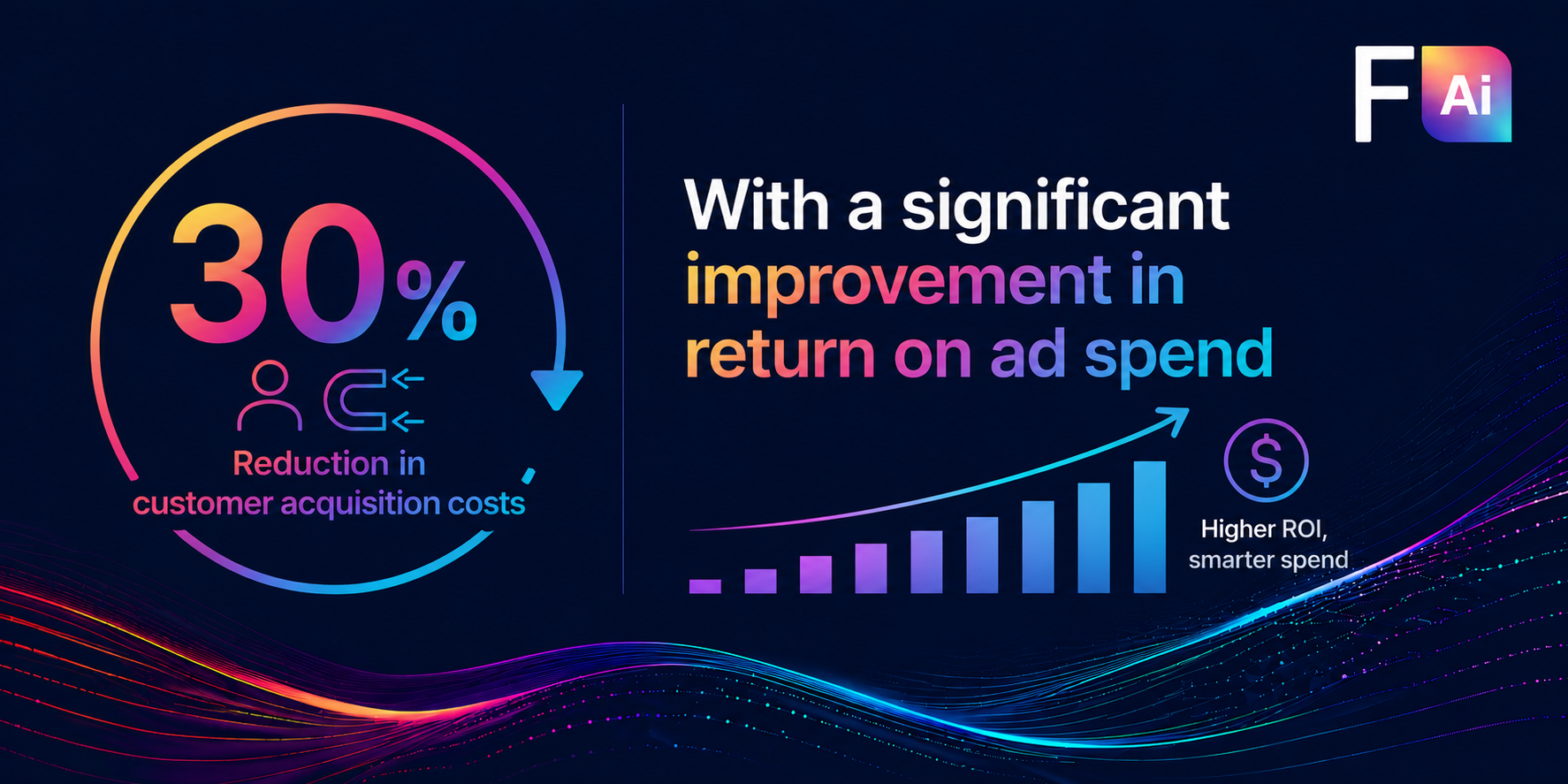
That is a very different conversation to be having.
CASE STUDY 08
The General Manager Stops Scheduling in the Dark
Scandic Hotels
Overstaffing on a quiet Tuesday is expensive. Understaffing on the weekend of the regional conference is a disaster. Getting it right consistently, across a large hotel estate with constantly shifting demand, is one of the hardest operational challenges a general manager faces.
Scandic Hotels, one of Europe's largest hotel chains, deployed Quinyx, an AI-driven workforce management platform. The system uses predictive data analytics to forecast guest occupancy and demand weeks in advance, matching employee schedules precisely to the peaks and troughs rather than working from last year's patterns and a rough guess.
Overstaffing costs dropped significantly on low-occupancy days, employee burnout reduced because the system stopped throwing full teams at quiet periods and skeleton crews at high-traffic conference seasons. The schedule started reflecting what was actually going to happen.
For the general manager, this is the difference between a labour line that makes sense and one you spend every month trying to explain. For the team, it is the difference between a rota that works for their lives and one that treats them as an interchangeable resource.
Staff turnover in hospitality is a chronic, expensive problem. A team that is scheduled intelligently, not frantically, stays longer. Scandic understood that. Quinyx made it possible.
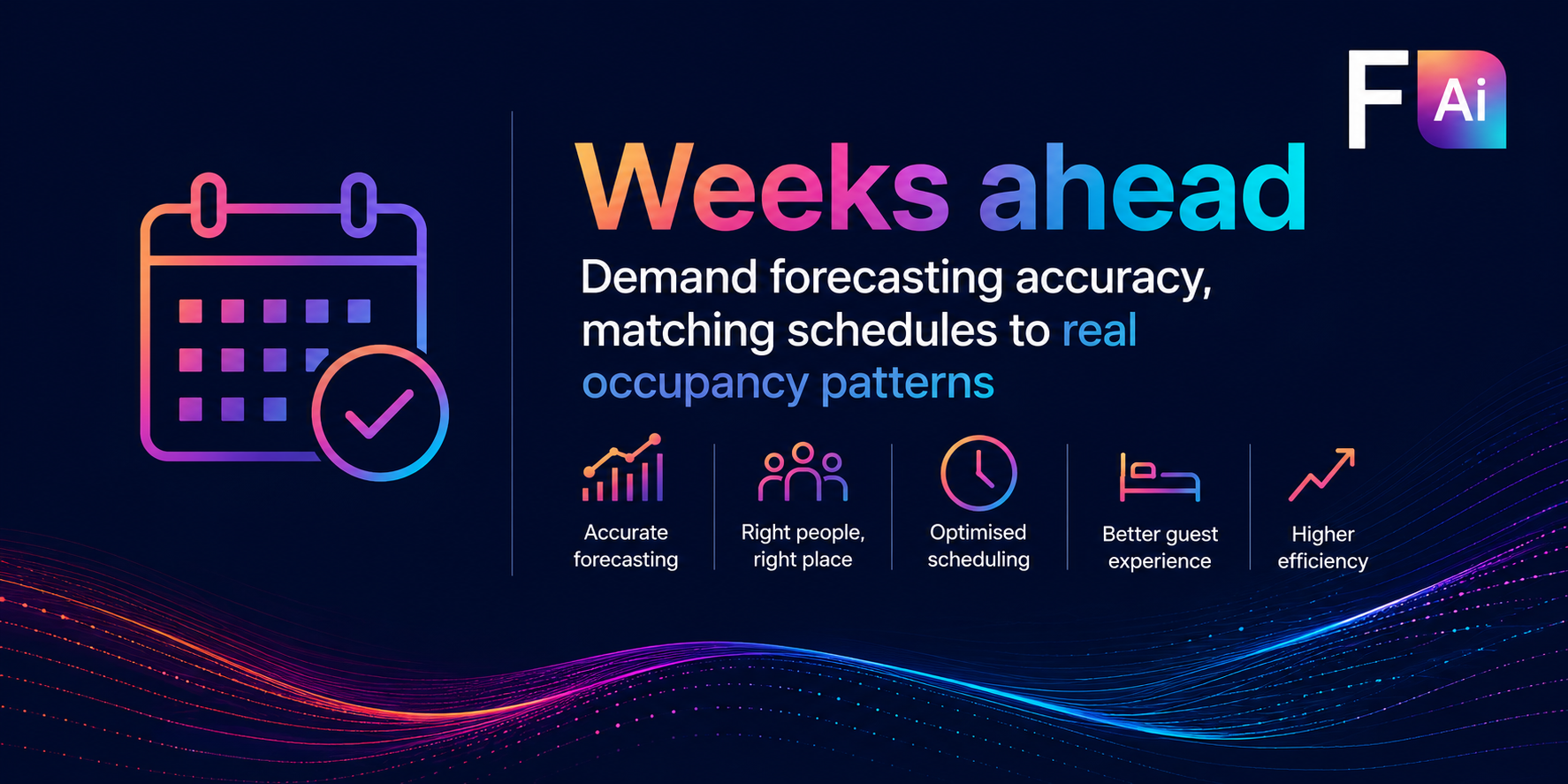
The GM still makes the calls. They just stopped making them blind.
So What Does This Mean for Your Business?
These are not outliers. They are not the result of unlimited technology budgets or a team of in-house developers. They are the result of hospitality businesses deciding to look properly at how their people spend their time, where the gaps are, and where AI can fill them without replacing what makes hospitality worth doing.
The night auditor going home at 3am, the housekeeper working from yesterday's list, the sales manager losing bookings to whoever replied faster, and the F&B manager guessing at the buffet every morning. None of these are technology problems. They are workflow problems that technology can solve once someone takes the time to understand the workflow first.
That is exactly what FAI Consultancy does.
Not tools first. Not a sales pitch for the latest platform. A proper, structured look at how your business actually operates, department by department, and a clear 12-month plan for where AI belongs in it and where it doesn't.
Ready to find out what AI could do for your business?
The FAI Consultancy AI Readiness Assessment is a structured two-hour session that gives you a 12-month roadmap, a SWOT analysis, and a clear picture of exactly where AI can make a difference in your operation. No jargon. No guesswork. No tools bolted on without a plan.
Apply for an AI assessment at www.faiconsultancy.com